
RAT CONTROL / HILLINGDON
Rat Control Hillingdon
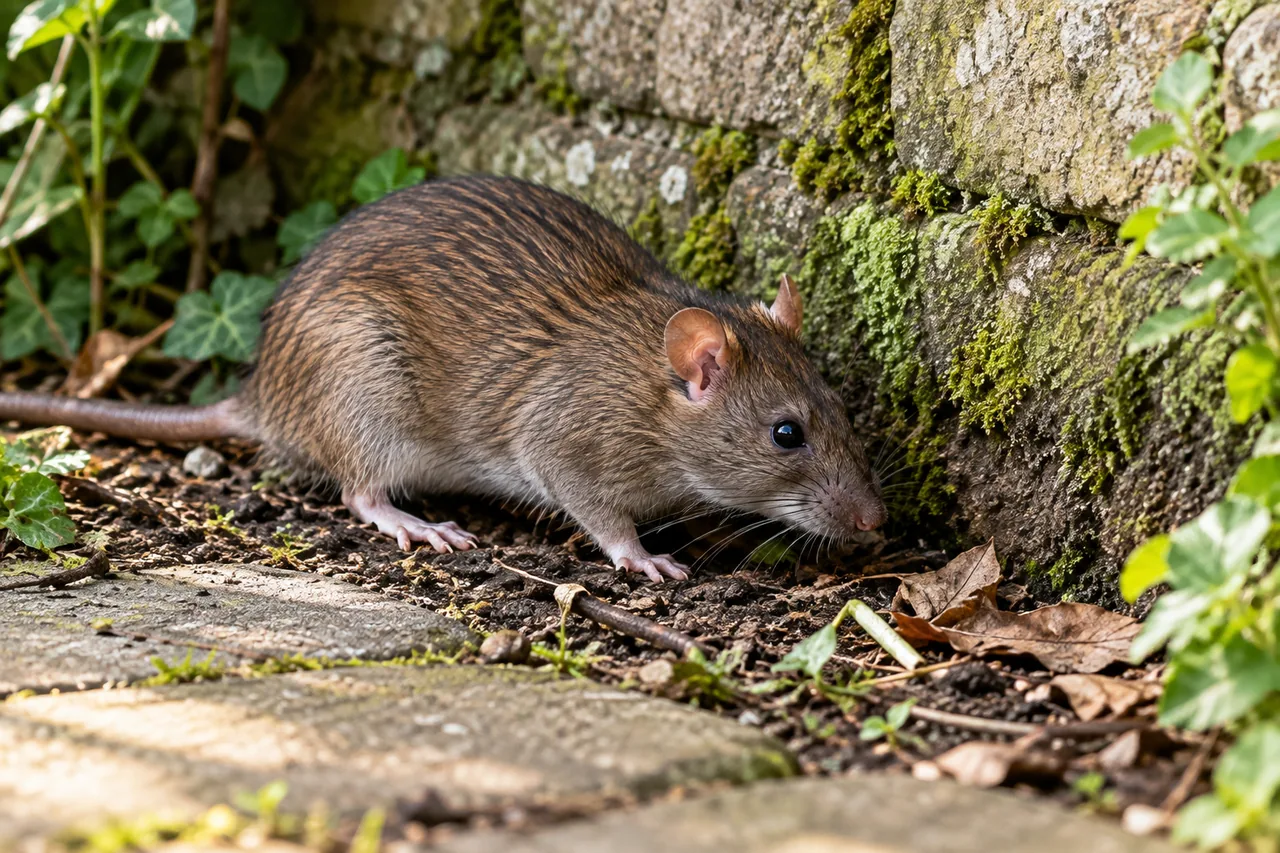
Rat enquiries need a clear distinction between outdoor sightings and evidence inside the building. Explain where activity occurs so accessible boundaries, possible entrances and the appropriate control scope can be assessed.
- Compare outdoor sightings with fresh signs inside the building
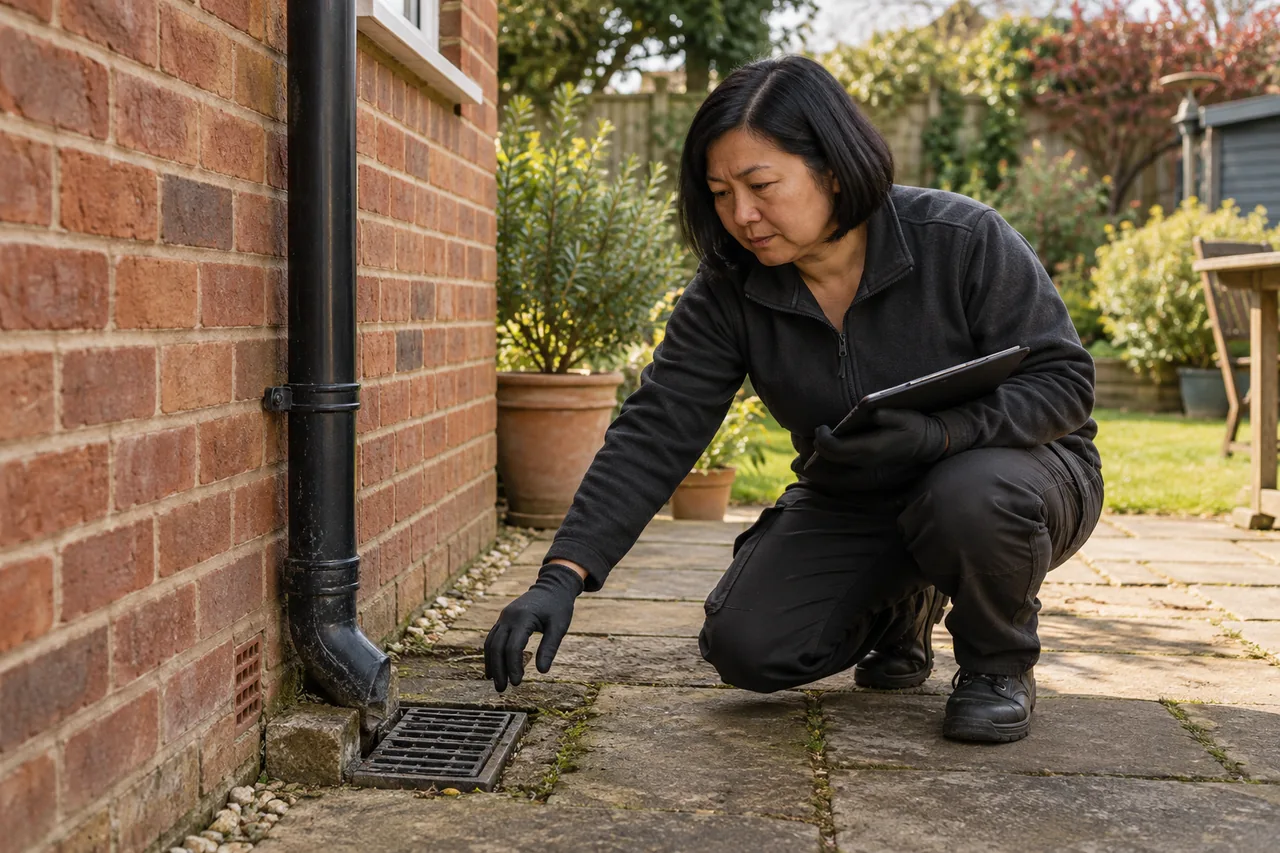
- Inspect accessible air bricks, low openings and drain surrounds
- Consider food, waste and shelter along external boundaries
- Discuss control placement around identified rat routes
- Plan a review alongside any recommended drainage investigation
Connect fresh signs with a location
The specialist may examine accessible droppings, gnawed edges, disturbed ground, runs and repeated sighting locations. Evidence should be considered together: a garden sighting alone does not prove that rats are living inside the house. Equally, an indoor sign may require attention to an external route that is not obvious from the first room inspected. Explain which marks appeared recently and which have remained since an earlier incident.
Identification should precede a control proposal. Photograph visible signs without disturbing unknown material, and tell the specialist about cleaning that has already taken place. Where small cupboard droppings are the main evidence, a mouse-control assessment may be more appropriate. The enquiry should not be forced into a rat treatment because of a noise, an uncertain photograph or an assumption about the size of the animal.
| Observation | Area to assess | Question to resolve |
|---|---|---|
| Rat seen at a boundary | Passage, garden edge and food sources | Is there evidence of building access? |
| Fresh signs indoors | Affected room and accessible connected openings | Where might the indoor route continue? |
| Activity near a drain surround | Accessible surface conditions | Is a separate drainage assessment justified? |
| Signs in a shared bin store | Common access and waste arrangements | Who can authorise inspection and changes? |
Describe the boundary of the problem
When arranging rat control in Hillingdon, explain whether the animal has been seen in a garden, a side passage, a bin store or an occupied room. Give the postcode, the first sighting date and any changes in frequency. Describe fresh droppings, gnawing or disturbed material separately from the sighting itself. The distinction helps establish whether the first appointment should concentrate on the property interior, accessible external areas or both.
Mention adjoining premises, shared waste arrangements and recent drainage or building work. A landlord, managing agent or neighbouring occupier may control an area relevant to the enquiry. Establish who can authorise entry before an appointment is agreed. The Hillingdon pest control homepage explains the general enquiry route; a rat assessment needs this more specific account of where activity begins and where it has been found inside.
Look at openings and drainage separately
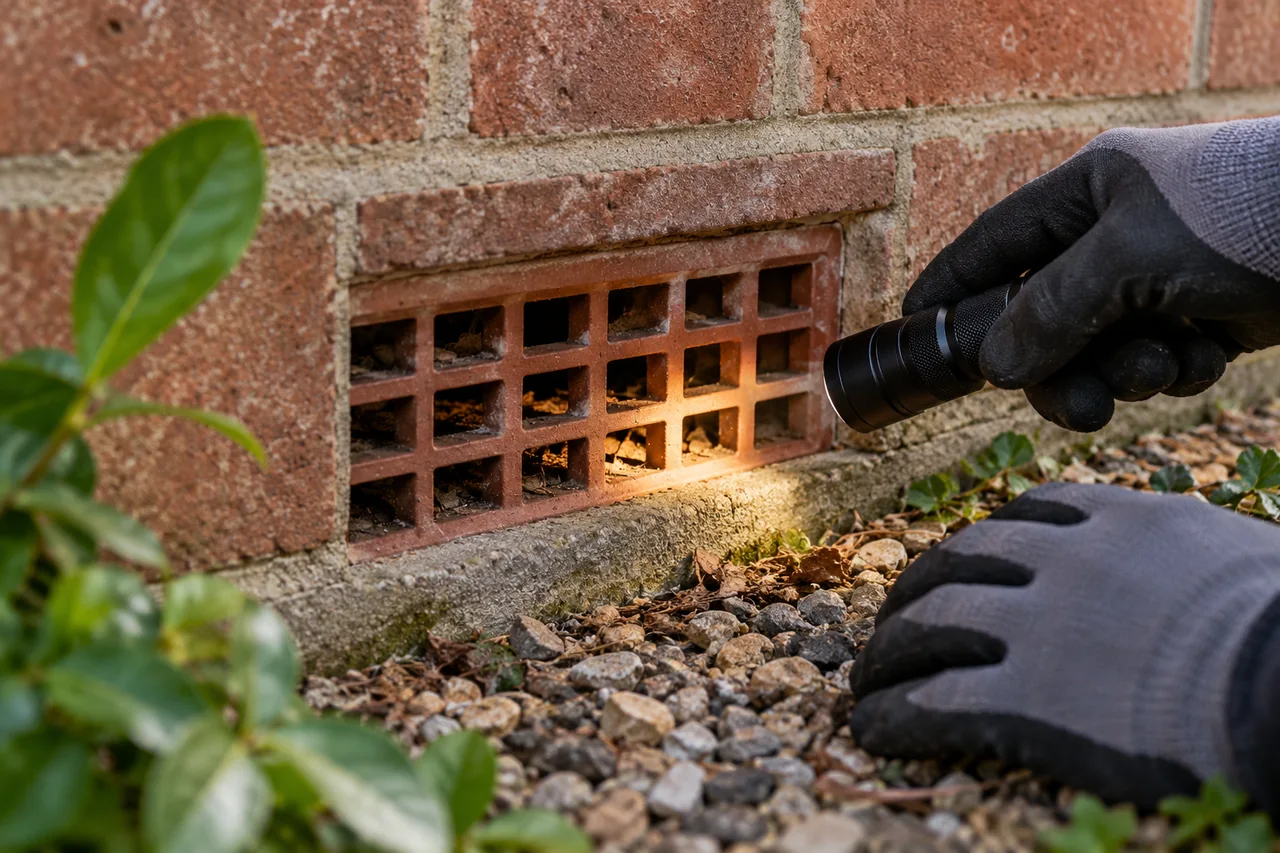
Accessible air bricks, door bases, wall penetrations and service openings can help explain a route into the building. The specialist may relate those features to signs along the wall or within the nearest room. An opening is not confirmed as active merely because it exists. Restricted passages, overgrown areas and locked stores can limit the inspection, so describe them when arranging access.
Drainage can be relevant to some rat problems, but a pest inspection does not automatically include a drain survey or the opening of inaccessible systems. If the evidence raises a drainage concern, ask what has been observed and whether a separate drainage specialist or survey is recommended. Confirm that scope and cost independently. Roof-space sounds may also need identification against other animals, including the issues covered by squirrel control, before a particular entry route is assumed.
PREPARING FOR THE VISIT
Prepare the affected spaces.
Make the outside route accessible
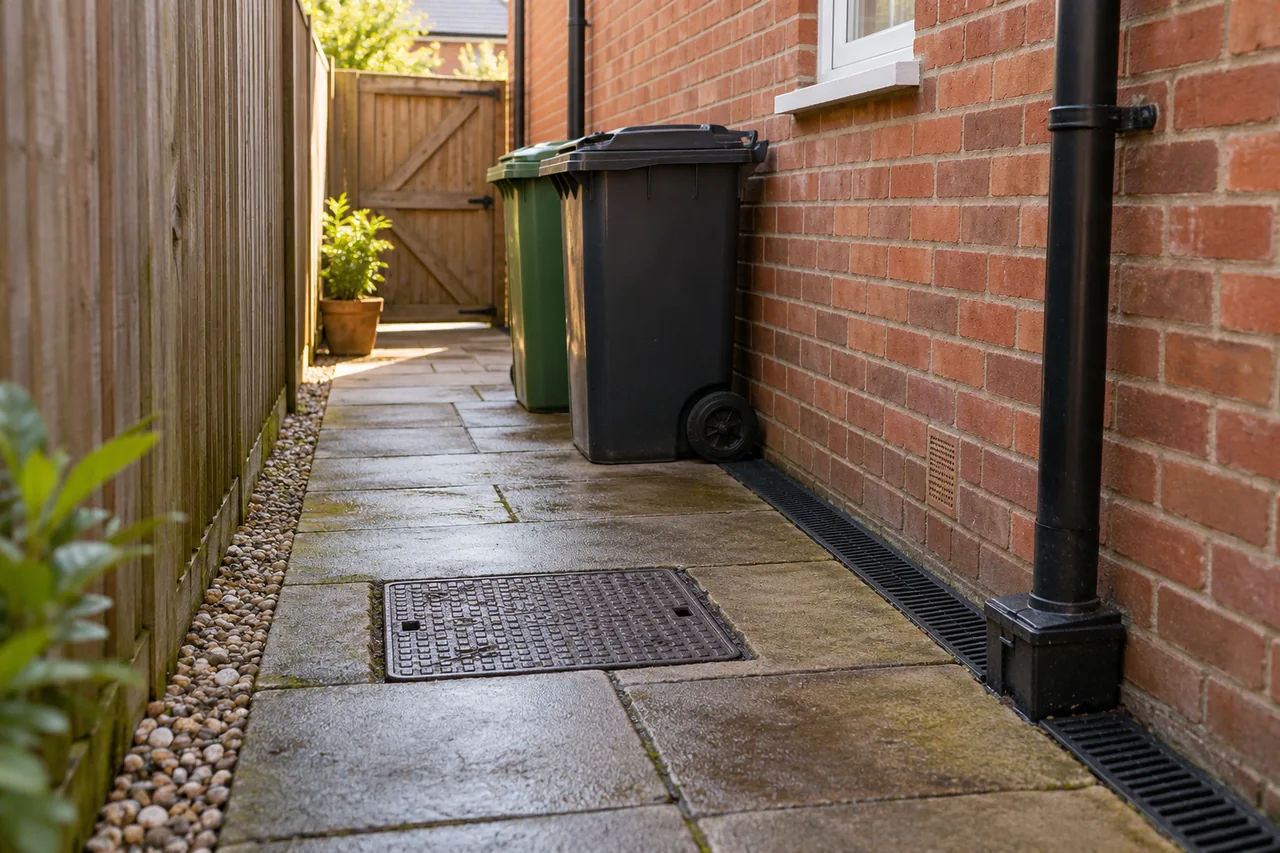
Describe locked gates, narrow passages, stored materials and the location of drains or bin stores before attendance. Clear loose objects only where it is safe and requested. Do not open drain covers or enter confined spaces to prepare for an inspection; confirm whether such access requires separate arrangements.
Explain how the garden is used
Tell the team about pets, children’s play areas, wildlife feeding and access shared with neighbours. These details affect the discussion of placement and precautions. Mention any control devices already present and avoid adding or moving them without explaining the existing arrangement.
Keep a usable evidence record
Record where recent signs occur and what has been cleaned. Do not handle unknown droppings or damaged material casually. Ask for guidance about cleaning, disposal and any work outside the treatment scope so that useful evidence and necessary precautions are considered together.
Agree where control measures belong
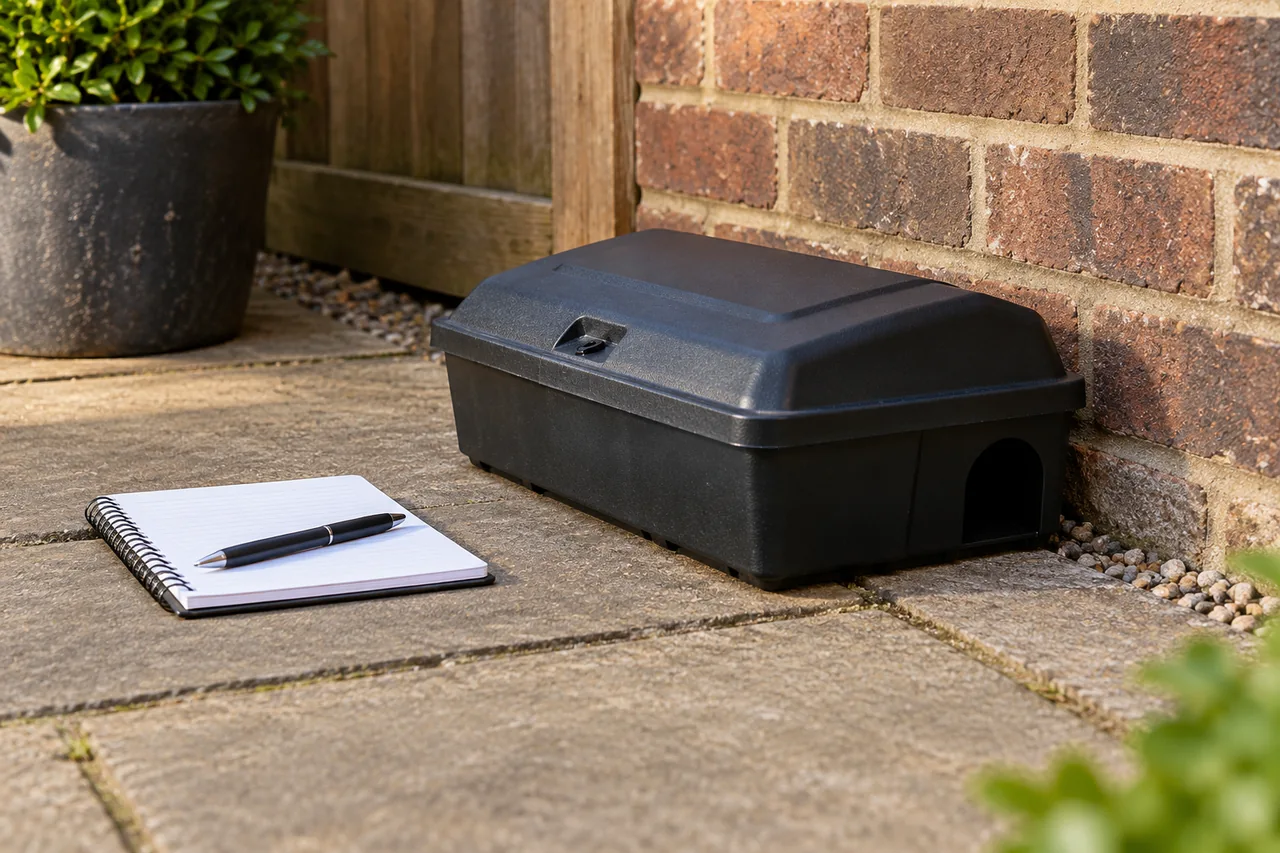
The proposed response should reflect current activity, the access available and the people or animals using the space. Monitoring, appropriately positioned traps or a bait-based method may be discussed where suitable. The decision should account for fresh signs, food sources, accessible routes and the risk to non-target animals. Ask the specialist to explain the intended purpose of each recommendation and how evidence supports the placement.
External locations require particular attention to pets, wildlife, children and access by other occupiers. A station or device must not simply be moved to a more convenient corner after it has been positioned. Explain any garden use, shared access or planned building work that could interfere with the arrangement. Before accepting the quote, check which external and internal areas are covered, whether equipment management is included and what conditions would lead the plan to be reconsidered.
Use the visit to resolve the scope
At the appointment, show the specialist the original sighting route and any fresh evidence that has appeared since the call. Include relevant changes, such as a newly disturbed bin area or another room with signs. The assessment may reveal a different boundary to the problem than the one first described. Additional areas or investigations should be discussed before they are added to the work.
Where control proceeds, request a clear explanation of what has been installed or applied, which areas must remain accessible and what should be left undisturbed. Any instructions about children, pets, food areas and cleaning must relate to the actual method. Establish who will receive the visit information if a landlord arranged attendance. Occupiers need practical instructions even when they are not the person paying for the agreed service.
QUOTATION AND SCOPE
A quote for the work involved.
A rat-control quote depends on the evidence, the property boundary and the agreed investigation or control work. Give a clear description of indoor signs, external sightings and shared spaces rather than requesting a price for an unspecified garden problem. Ask whether the assessment, equipment management, review visits and proofing are included or quoted separately. A drainage survey or repair should have its own confirmed scope where needed. Contact the team with your postcode and access details to establish the proposed appointment and charges. Explain whether external stores, shared bin areas or restricted passages need separate access arrangements before accepting the quotation.
| Part of the enquiry | Scope to confirm |
|---|---|
| External and indoor checks | Which property areas and access limits are included? |
| Control equipment | How will placement, checking and removal be managed? |
| Drainage concerns | Is a separate survey or repair contractor required? |
| Further attendance | What review is included and when could charges change? |
Review evidence across the whole route
A review is more useful when sightings and new signs are recorded by date and location. Note whether the animal is still appearing at the original boundary or whether activity has shifted towards a different passage, drain surround or room. Explain any repairs, cleaning or changes to waste storage since the first visit. These changes may help interpret what the control measures and monitoring show.
Confirm when a review is expected and whether further attendance is included in the quote. Persistent signs may justify reassessing access, placement or a possible structural source; they do not automatically show that the same approach should simply be repeated. If another trade investigates drainage or repairs an opening, keep that information available for the pest-control review. The timing and purpose of follow-up should be specific to the findings and agreed plan.
Address the conditions behind repeat activity
Practical prevention may involve suitable repairs, secure waste arrangements and reducing accessible food around the property. Discuss the condition of the actual openings identified rather than treating every visible gap as the same task. Where a route appears active, coordinate the timing of proofing with the control plan. Repair work involving drains, masonry or shared building fabric may need a separate contractor or permission.
A shared bin store or neighbouring source may sit outside the boundary of one household’s appointment. Explain who manages these areas so recommendations can reach the right person. Avoid assuming that an internal treatment alone resolves an external condition that continues to attract activity. A useful completion discussion identifies the remaining recommendations, who is responsible for them and how the property should be monitored after the agreed control work ends.
TIME-SENSITIVE ENQUIRIES
When a prompt assessment matters.
Repeated indoor rat sightings or signs in a food-use area warrant a prompt discussion. Explain which rooms are involved, whether the area can be kept separate and any recent contact with control products. Avoid opening concealed spaces or disturbing a suspected route while waiting. The call can establish the earliest available assessment and charges; arrival times are confirmed individually.
QUESTIONS ABOUT RAT CONTROL
Before arranging the visit.
Does a rat in the garden mean the house needs treatment?
Not necessarily. Outdoor sightings need to be compared with fresh evidence and possible building access. Explain where the rat travels and whether anything has been found indoors. The inspection should establish an appropriate scope rather than assume the whole house is affected.
Is a drain survey part of rat control?
It should not be assumed. A pest inspection may identify a reason to investigate drainage, but the survey, access and any repair need a separately confirmed scope. Ask what evidence supports that recommendation before additional work is arranged.
Should I close a hole near the drain immediately?
Describe or photograph the opening and ask about the sequence of control and repair. An active route needs assessment, and the visible gap may not explain the whole problem. Do not lift covers or enter drainage systems to investigate it yourself.
What happens where a bin store is shared?
Access and authority may need a landlord or managing agent. Explain which units use the area and whether signs also occur inside individual premises. The quote should distinguish your property from common spaces requiring separate permission or coordination.
Can pets continue using the garden?
Discuss this before any method is agreed. Placement and access advice depend on the equipment, products and garden layout. Follow the instructions supplied for the actual work, and tell other occupiers where measures must remain undisturbed.
Why might rats still be seen during a review period?
Sightings need interpretation alongside the method, timing and location of activity. Record fresh signs and report movement into new areas. The specialist may need to reassess routes or an unresolved source; a continuing sighting alone does not identify the cause.