

SQUIRREL CONTROL / HILLINGDON
Squirrel Control Hillingdon
Roof-space activity needs identification and a safe inspection route before control is discussed. Explain the sounds, visible damage and access available so the proposed response can account for the animal and the building.
- Assess roof-space signs before attributing noise to squirrels
- Check accessible eaves and suspected roof-edge entrances
- Confirm the species and consider non-target wildlife
- Discuss lawful control options with clear welfare arrangements
- Coordinate roof repairs after activity has been reviewed
Explain what is happening above the rooms
For a squirrel-control enquiry in Hillingdon, describe where the sounds seem to come from and when they occur. Mention any animal seen entering the roof, disturbed insulation, gnawed material or repeated movement near the eaves. A sound recorded through a ceiling can support the discussion, but it does not identify the animal or show the precise entrance. Explain whether the loft is occupied, used for storage or rarely accessed.
Give the postcode, property type and available access arrangements. A high roof, a small hatch or an unboarded space may limit what can be inspected at the first visit. The Hillingdon pest control homepage outlines the general service enquiry, while this assessment specifically concerns roof-space evidence, wildlife identification and the timing of any necessary repairs.
Identify the species before proposing control
Species identification matters because the legal position and appropriate actions differ. Red squirrels and the places they use for shelter are protected; this includes restrictions on disturbing an occupied shelter or obstructing its access. Grey squirrels are listed as invasive non-native animals. An intentionally captured grey squirrel must not simply be released into the wild. The person carrying out control needs suitable training, equipment and a humane, lawful approach. These points should be resolved before a particular method is agreed.
Ask how non-target wildlife and any uncertainty about identification will be addressed. The proposal should account for possible young, occupied shelters and any evidence of other wildlife before control or roof repairs proceed. A photograph, a distant sighting or a sound may be insufficient to settle the species. If the inspection cannot establish the animal involved, the next step should clarify that uncertainty rather than proceed with a control proposal based on an unverified assumption.
Inspect the roof space without assuming access
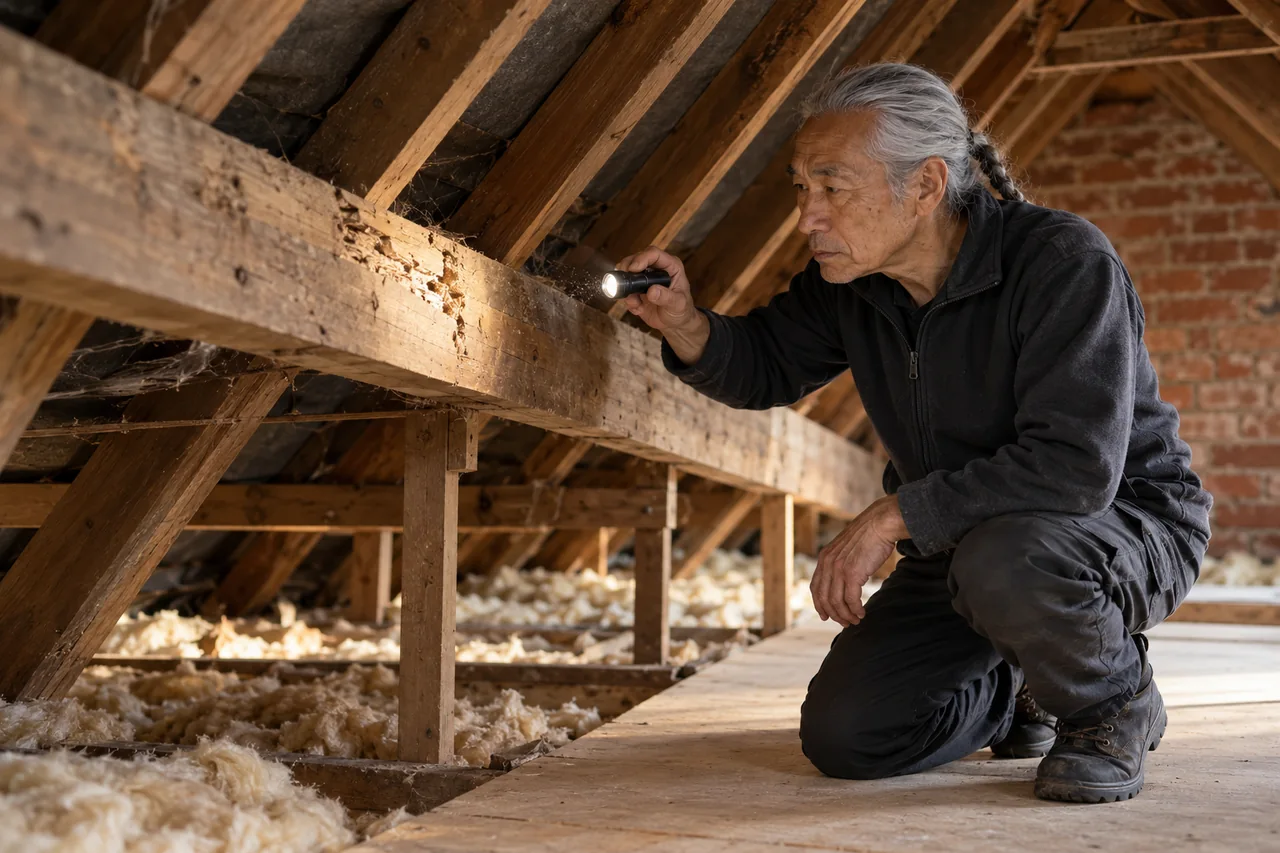
Where safe access permits, the specialist may look for gnawing, disturbed material, droppings and routes around timbers or the roof edge. The aim is to connect evidence with a likely entrance and the spaces being used. Stored boxes, concealed eaves and inaccessible sections can leave parts of that picture unresolved. Tell the specialist if any evidence was removed or the loft layout changed before attendance.
A torch, visual inspection or other suitable inspection equipment may help assess accessible features. A pest visit does not automatically include working at height, removing roof coverings or entering an unsafe loft. Confirm these boundaries when arranging the appointment. Some roof noises can involve other animals, including the routes considered during mouse inspections; the method should follow identification rather than the assumption that every loud roof sound is a squirrel.

| What has been noticed | Assessment focus | Limit to clarify |
|---|---|---|
| Sounds above a ceiling | Location, timing and accessible evidence | Noise alone does not identify the animal |
| Animal entering at eaves | Species and suspected entrance | Whether the feature can be safely inspected |
| Disturbed insulation or gnawing | Affected area and connected routes | Concealed or unboarded sections |
| Recently completed roof repair | What changed and when | Whether activity was reviewed before closure |
Agree the response and its practical limits
A control proposal should explain what the evidence supports, where work can safely take place and how welfare and non-target considerations will be managed. The approach depends on the identified species, roof access and the extent of activity. Discuss what the specialist recommends, why it is appropriate and what would require a change in the plan. If equipment is proposed, clarify its location, required checks and responsibility for managing it before the work starts.
Roof repairs and pest control may involve separate trades and permissions. Ask whether a roofer is needed, which tasks are included and who will coordinate the sequence. Closing a suspected active entrance without assessment can leave the underlying situation unresolved. Evidence at lower levels may also need a different investigation, such as the external route questions addressed by rat control, rather than extending the squirrel work by assumption.
PREPARING FOR THE VISIT
Prepare the affected spaces.
Describe the loft access accurately
Explain the hatch size, stairs or ladder arrangements, boarding and storage before the appointment. Do not enter an unsafe roof space or move insulation to make it appear accessible. Photographs taken from an already safe position can help the discussion; the team must confirm what access is suitable.
Keep the suspected entrance identifiable
Tell the specialist about roof repairs or gaps already blocked. If a roofer is booked, explain this before work begins so the sequence can be discussed. Avoid reaching from a window, climbing a roof or approaching an animal to photograph an entry point.
Coordinate permission and communication
For rented or managed premises, establish who can authorise wildlife work and roof repairs. Ensure the occupier, managing agent and relevant contractor can receive findings and instructions. Access to neighbouring or communal areas needs agreement rather than being assumed within a household appointment.

Make the appointment useful for everyone involved
At the visit, show the specialist the hatch location, any photographs of entry and the rooms where sounds have been heard. Explain changes since booking, including new damage, a quieter period or a repair already completed. The inspection should distinguish confirmed findings from inaccessible or uncertain areas. If the agreed access proves unsuitable, discuss what can be assessed and what additional arrangements are needed.
Before any control work proceeds, confirm the scope, precautions and how further attendance or equipment checks will be handled where relevant. Occupiers should understand which areas to avoid and what they should leave undisturbed. Ask how findings will be communicated to a landlord, roofer or managing agent if they are responsible for the next action. The animal assessment and the building repair need a shared, practical sequence.

Review activity before treating the roof as clear
Keep a dated record of fresh sounds, new signs and any animal seen using the suspected entrance. A quiet interval alone may not settle whether the relevant space is still in use. The specialist should explain which observations matter for the proposed plan and how to report them. Where roof work has occurred, record when it happened and what the contractor changed.
The need for further visits depends on identification, access, findings and the method agreed. Check whether these visits or any equipment management are included in the quote. Do not alter a control arrangement or close an entrance without discussing the timing. If activity appears elsewhere after repairs, provide the new location rather than assume it is the original route. A review should relate the animal evidence to the condition of the building.
QUOTATION AND SCOPE
A quote for the work involved.
A squirrel-control quotation needs to account for the roof-space evidence and the access available. A boarded loft reached through a suitable hatch presents different questions from an inaccessible eaves void or a high external entrance. Ask which inspection and control work is included, how any necessary reviews will be arranged and whether specialist access is separate. Roofing repairs should be identified clearly rather than assumed within a pest-control price. Contact the team with the postcode, roof type and access details to discuss the actual scope. Mention roof height, hatch access and storage restrictions so any specialist access costs can be identified before attendance.
| Work component | What to establish |
|---|---|
| Identification and inspection | Safe access, evidence and any unresolved species question |
| Control proposal | The lawful approach, welfare arrangements and practical limits |
| Review or equipment management | Required attendance and what is included |
| Roof proofing | Repair responsibility, permissions and the agreed timing |
Turn the findings into an appropriate repair plan
Prevention advice should identify the relevant roof-edge defects and distinguish practical repairs from areas that remain uninspected. Ask which openings have evidence of use and what materials or roofing work may be suitable. The timing of proofing should follow the assessment and agreed control plan. Work involving roof coverings, high access or damaged building fabric may require a competent roofing contractor rather than form part of the pest appointment.
Branches, stored materials or nearby structures can sometimes affect access towards a roof. Discuss the actual property rather than applying a fixed clearance distance from a generic checklist. Tree work may require permissions and a suitably equipped contractor. Record who will arrange each recommendation and whether it can be completed within the current scope. The purpose is to address the route found, not to promise that a single repair prevents every future wildlife visit.
QUESTIONS ABOUT SQUIRREL CONTROL
Before arranging the visit.
Can scratching alone confirm squirrels?
No. Location and timing are useful observations, but other animals can create roof-space sounds. Tell the specialist about visible signs and any animal seen entering. The inspection or further observation should establish the cause before a method is selected.
Can a captured grey squirrel be released elsewhere?
An intentionally captured grey squirrel must not simply be released into the wild. Species identification, applicable restrictions and welfare need to be addressed by the person undertaking control. Discuss a lawful response rather than attempting to move or release the animal yourself.
What if the animal might be a red squirrel?
Say so when enquiring and avoid disturbing it. Red squirrels are protected, and identification must be resolved before control is proposed. An uncertain colour description or distant photograph may require a more careful assessment rather than an assumption.
Will the visit include roof repairs?
Only if they are within the agreed scope. Roof coverings, high access and building defects may require another contractor. Ask which repairs are recommended, who will carry them out and how their timing relates to the animal assessment.
Should I clear the loft before inspection?
Do not move insulation or enter an unsafe area to prepare. Describe storage and access restrictions in advance. The team can confirm which safely reachable areas should be made accessible and whether additional arrangements are needed before attendance.
When can an entrance be sealed?
Agree the timing with the specialist after identification and activity assessment. A quiet period or a single outside sighting may not settle whether the space remains in use. Proofing should form part of the agreed sequence, with any roofing contractor kept informed.
TIME-SENSITIVE ENQUIRIES
When a prompt assessment matters.
Explain promptly if new roof-space activity accompanies visible damage or affects an occupied area. Describe what can be seen safely and whether other contractors are already involved. Do not approach an animal or enter a hazardous loft while waiting for advice. The enquiry can establish the next assessment and available appointment; confirm the appointment and any access arrangements by phone.