

MOTH CONTROL / HILLINGDON
Moth Control Hillingdon
A moth enquiry should connect the insect with the material being affected. Discuss damaged textiles, where garments or carpets are stored and any larvae or webbing found so inspection can locate the source and inform suitable action.
- Inspect concealed wool folds and undisturbed textile edges
- Look for larvae, cases, webbing and fresh material damage
- Distinguish moth activity from other fabric-pest evidence
- Assess storage spaces connected with affected items
- Coordinate cleaning and storage changes with the treatment plan
Follow damage into concealed textile spaces
Visible damage can be only part of the picture. The specialist may need to examine accessible folds, seams, carpet edges and places where textiles have been undisturbed. Explain the materials involved and any care instructions, particularly for delicate, valuable or irreplaceable items. Fabric composition and condition influence what preparation or treatment can reasonably be discussed. Avoid assuming every item in the room needs the same handling.
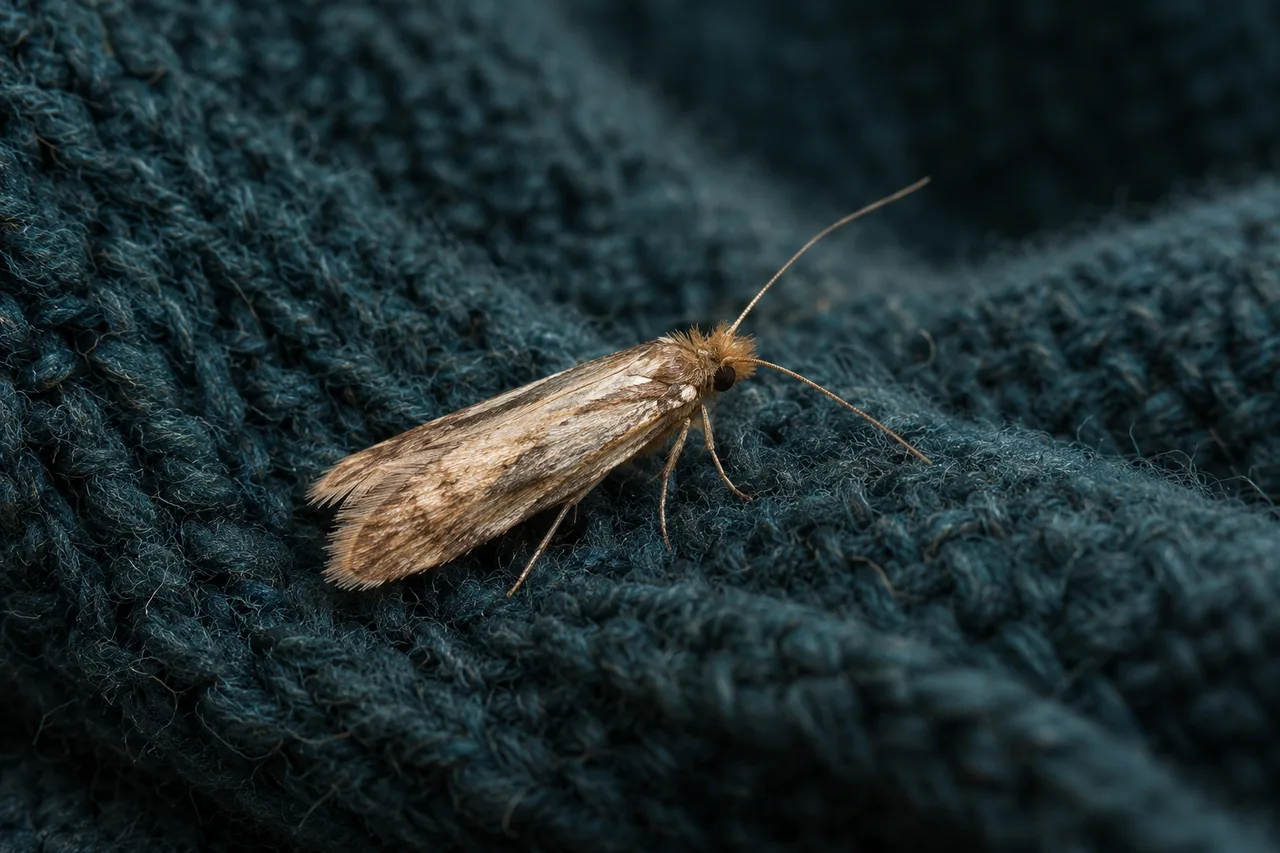
Adult moth sightings and material damage should be considered together. An occasional insect near a window does not locate a breeding source. Larvae, cases or webbing around a particular item can be more useful evidence. Damage from other fabric pests can look similar, so carpet beetle identification may be relevant where hairy larvae or shed skins are found. The inspection should explain what evidence supports the proposed identification.

Tell us which materials are affected
Begin a moth-control enquiry with the items involved and where they are kept. Explain whether damage appears in wool clothing, a natural-fibre carpet, upholstered furniture or stored belongings. Give the location of any insects, larvae, cases or webbing rather than describing holes alone. Mention when the damage was noticed, whether items have been moved and any products or cleaning already used.
The initial discussion should establish which rooms and storage areas need assessment and what can be accessed. A wardrobe, a carpet beneath heavy furniture and a collection of stored textiles may require different arrangements. If the property is rented, confirm who can authorise work and provide access. Photographs of both the insect and affected material can help the call, but the source may still need an inspection.
Inspect the source before the wider room
The assessment can start with the affected item and then consider connected storage, carpet boundaries and nearby concealed spaces. Ask which accessible areas are included and whether furniture needs to be moved to inspect them. Heavy units, fitted wardrobes and inaccessible floor edges may limit the initial visit. Those limitations should be discussed rather than treated as proof that an unexamined area is clear.
A torch and close visual examination may be used to investigate small signs; suitable monitoring can help where activity is uncertain. The findings should distinguish an identified source from a location needing further observation. Explain if belongings have already been transferred to another room or sent away for cleaning. This movement can change the areas that need consideration, and it matters when planning what should be inspected before items return to storage.

| Finding | Inspection question | Useful information |
|---|---|---|
| Damage in stored clothing | Which folds, seams and neighbouring items show signs? | Material, storage location and recent movement |
| Carpet damage under furniture | Are the concealed edges accessible? | Furniture weight and access restrictions |
| Larvae, cases or webbing | Can the insect and source be identified? | Clear images of both evidence and material |
| Adults near a window | Is there evidence of an indoor textile source? | Frequency and locations of sightings |
Choose measures that suit the materials
A control proposal should account for the moth identified, the material affected and the extent of activity. Appropriate action might involve item-specific cleaning, removal of an identified source, monitoring or suitable targeted treatment. Clarify whether the proposal addresses larvae in affected material, accessible surrounding surfaces or both, and which belongings need separate handling. Ask what each proposed measure is intended to address and whether a specialist textile cleaner or another service is needed for delicate items.
The method should also establish the treatment boundary. Work around an accessible carpet edge does not imply that every garment, cupboard and concealed void is included. Before agreeing work, clarify which items and surfaces are covered, any restrictions on use and what preparation must happen first. Retain care labels or other material information where possible. These details help avoid a preparation instruction being applied to something for which it was not intended.
PREPARING FOR THE VISIT
Prepare the affected spaces.
Identify delicate or valuable textiles
List affected items and mention care labels, finishes, age or fragility. Ask whether the proposed work involves the items themselves, surrounding surfaces or both. Do not wash, heat or apply a product to an unfamiliar material merely to prepare; the instructions need to suit that item.
Clear access without spreading belongings
Discuss the cupboard or carpet edges that need to be reached. Explain heavy furniture or fitted storage before attendance. Follow advice about containing suspect textiles and avoid moving them into unrelated rooms while sorting. Keep assessed and unassessed items identifiable so their handling remains clear.
Coordinate cleaning with the proposal
Confirm which cleaning should happen before the visit and which must wait afterwards. Tell the team about moth products already placed or applied. Ask what must be removed or left in position, and ensure anyone cleaning the space receives the same instructions.

Keep prepared items and the work area organised
At the appointment, show the original evidence locations and explain any changes since the enquiry. Identify items that have been cleaned, isolated or moved, together with those that remain unassessed. The specialist should review the agreed access and preparation before proceeding. If an affected item cannot be handled as planned, discuss the revised scope rather than improvising a different process.
Where treatment is agreed, confirm which surfaces or items have been addressed and what needs to remain undisturbed. Cleaning, laundering and return-to-use advice must relate to the actual materials and method. Do not assume an instruction for a carpet also applies to a coat or upholstered item. Ensure other household members, cleaners or staff know which belongings are prepared and which still need assessment, especially where several storage areas are involved.
Make storage changes specific to the findings
Aftercare should identify the storage and cleaning changes most relevant to the source found. Accessible edges beneath furniture, undisturbed wardrobe bases and stored textiles may need different attention. Agree what can be cleaned immediately, what must wait under the treatment instructions and whether any items need separate professional handling. Avoid returning unassessed belongings to a prepared storage space without discussing them first.
A practical prevention plan should be manageable in the way the room is used. Explain seasonal storage, infrequently opened cupboards and any collection of natural-fibre items that is difficult to inspect. Suitable containment and periodic checks can then be discussed for those particular belongings. Before sealing clothing for storage, agree how suspect items will be cleaned or assessed so activity is not simply enclosed with them. Keep the findings and recommendations so a later moth sighting can be related to the areas already addressed.
QUOTATION AND SCOPE
A quote for the work involved.
Moth-control quotations depend on the source, the affected materials and the accessible areas requiring attention. Explain whether the concern is one stored item, several cupboards or carpet edges across different rooms. Ask whether assessment, targeted work, item cleaning and monitoring form separate parts of the proposal. Delicate textiles may need arrangements outside the pest-control scope. Agree the quoted work and any separate item-handling costs before confirming the appointment. Contact the team with the materials and locations involved so responsibilities, availability and charges can be explained before booking.
| Work detail | Question to settle |
|---|---|
| Affected textiles | Which items and surrounding surfaces are included? |
| Specialist cleaning | Does a delicate item need a separate provider? |
| Storage access | Who moves heavy contents or furniture? |
| Monitoring and review | What observations and return visits are covered? |
Look for fresh activity, not old damage
Existing holes do not disappear after control work, so they are a poor measure of continuing activity on their own. Keep a simple record of newly affected areas and dated observations of insects or larval evidence. Explain where an item was stored before damage appeared. This helps the specialist distinguish a fresh finding from damage discovered during a later sorting or cleaning session.
Monitoring or further attendance may be appropriate where the source is uncertain, several storage areas are involved or the proposed plan includes a review. Confirm when to report observations and whether further visits are included in the quotation. The response should reflect the evidence and material conditions rather than a fixed timetable for every moth problem. The Hillingdon inspection and aftercare overview explains how findings should guide the next decision.
QUESTIONS ABOUT MOTH CONTROL
Before arranging the visit.
Do holes in clothing confirm a moth problem?
No. Material damage needs to be considered with insects, larvae, cases or webbing and the storage conditions. Other fabric pests can cause damage too. Show the specialist both the affected item and any physical evidence available.
Should every garment in the wardrobe be treated?
The inspection should establish the affected items and what remains uncertain. Material suitability and the proposed method matter. Ask which belongings need preparation or separate handling rather than assuming an identical process applies to the entire wardrobe.
Can an adult moth by the window identify the source?
A sighting can guide the enquiry but does not locate a textile source on its own. Describe its frequency and the rooms involved. The specialist may need to inspect affected materials or use monitoring to clarify the pattern.
Do I need to move a wardrobe or sofa?
Discuss access before the appointment. Heavy furniture, fitted units and delicate belongings can limit inspection. Confirm who will provide safe movement and whether that work is included; do not dismantle fittings merely to prepare for an enquiry.
How can I tell whether damage is continuing?
Record newly affected areas and any fresh insect evidence with dates and storage locations. Existing holes remain visible after treatment and can be discovered later. A review should consider those observations alongside the source and the work completed.
Are moth-monitoring products a complete treatment?
Monitoring can help assess activity, but its purpose and limits should be explained. It does not automatically address larvae or an affected textile source. Ask how any proposed monitor fits with identification, cleaning and other measures for your property.
TIME-SENSITIVE ENQUIRIES
When a prompt assessment matters.
If fresh damage is appearing in valuable or frequently used textiles, explain the material and the locations when enquiring. Keep useful evidence and avoid spreading suspect items between rooms while waiting for instructions. The team can discuss the earliest suitable assessment and any immediate preparation. Mention valuable textiles before any handling is arranged, and retain their care information so preparation can be discussed without risking unnecessary damage.